Collegium 1704
Collegium Vocale 1704
Václav Luks
Annenkirche, Annenstraße 23, 01067 Drážďany, Německo
J. S. Bach

Universo 1704 Premiere: 1. 3. 2021
YouTube Premiere: Coming Soon

Johann Sebastian Bach (1685–1750)
Magnificat in D major, BWV 243

  • Magnificat | chorus
  • Et exultavit | soprano
  • Quia respexit | soprano
  • Omnes generationes | chorus
  • Quia fecit | bass
  • Et misericordia | duet alto, tenor
  • Fecit potentiam | chorus
  • Deposuit potentes | tenor
  • Esurientes | alto
  • Suscepit Israel | trio soprano I, soprano II, alto
  • Sicut locutus est | chorus
  • Gloria Patri | chorus
  • Sicut erat | chorus

The concert was created in cooperation with Annenkirche.
Special thanks to Günter & Ute Seidel

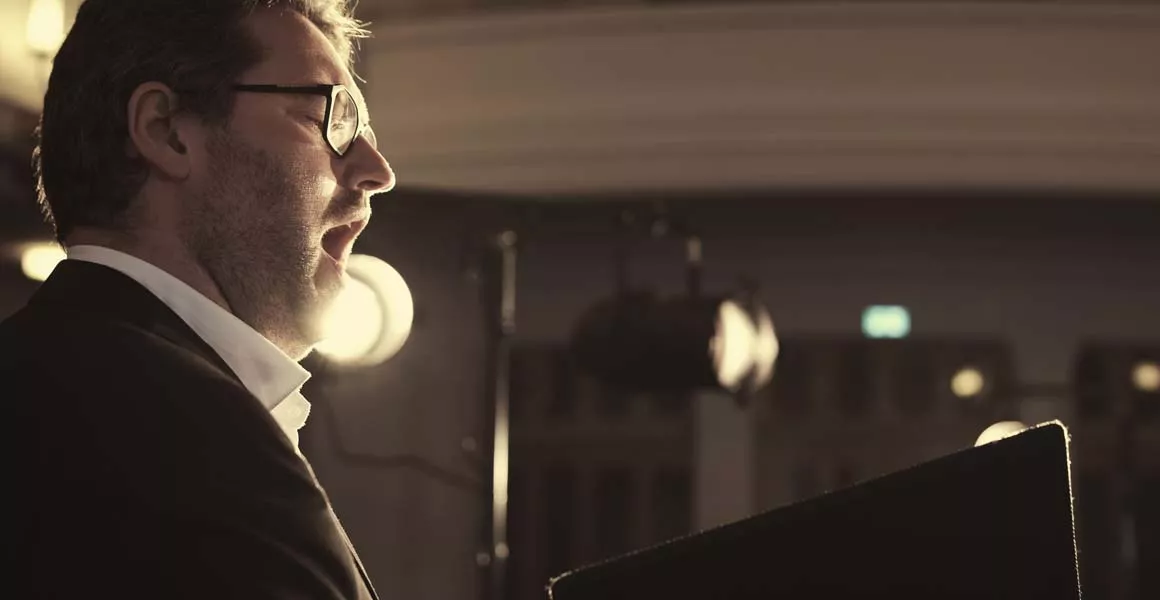
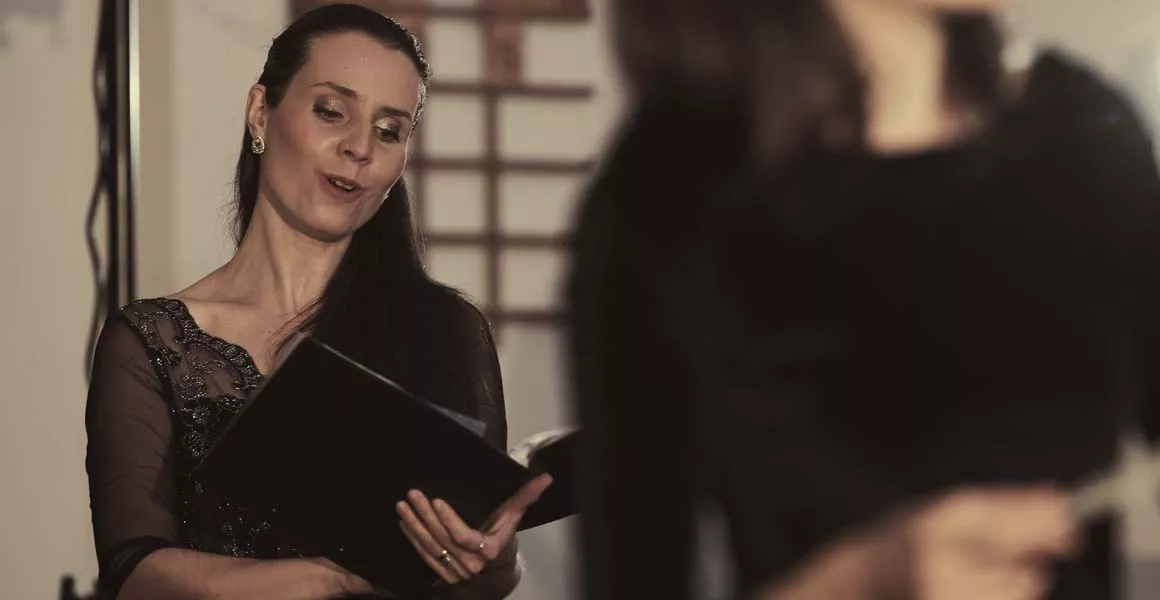
  • Tereza Zimková, Lucia Caihuela | soprano
  • Kamila Mazalová, Aneta Petrasová | alto
  • Ondřej Holub | tenor
  • Tomáš Šelc | bass

Collegium 1704

  • concertmaster | Helena Zemanová
  • violin I | Markéta Knittlová, Petra Ščevková, Jan Hádek
  • violin II | Simona Tydlitátová, Eleonora Machová, Martina Kuncl Štillerová
  • viola | Dagmar Valentová, Julia Kreichbaum, František Kuncl
  • violoncello | Libor Mašek, Hana Fleková
  • double bass | Luděk Braný
  • organ | Pablo Kornfeld
  • flute | Julie Braná, Lucie Dušková
  • oboe | Katharina Andres, Petra Ambrosi
  • trumpet | Hans-Martin Rux, Astrid Brachtendorf, Marc Deml
  • timpani | Daniel Schäbe

Collegium Vocale 1704

  • soprano I | Tereza Zimková, Helena Hozová, Kamila Zbořilová
  • soprano II | Lucia Caihuela, Pavla Radostová, Marta Fadljevičová
  • alto | Kamila Mazalová, Aneta Petrasová, Daniela Čermáková
  • tenor | Ondřej Holub, Filip Dámec, Čeněk Svoboda, Krzysztof Mroziński
  • bass | Tomáš Šelc, Lukáš Zeman, Martin Vacula, Michał Dembiński
Johann Sebastian Bach

composed the setting of the biblical hymn Magnificat shortly after he took over the post of cantor at St. Thomas in 1723. In Leipzig, the hymn was a regular part of the service and on ordinary Sundays, it was sung in German, but on important holidays, especially the Marian ones, such as the Annunciation and the Visitation or the Presentation of Jesus at the Temple, it was performed in Latin.

Magnificat is the first major liturgical composition in which Bach worked with a Latin text, rather than with a German one, thus to some extent erasing the differences between the Catholic and Protestant tradition. He later opted for the same unusual approach regarding the choice of language in the case of his famous Mass in B Minor. Sometime around 1733, probably on the occasion of the Feast of the Visitation of the Blessed Virgin Mary or other liturgical celebration, he prepared a new version of Magnificat transposed from the original key in E flat major to D major (BWV 243), mainly in order to use trumpets in the orchestra. In Saxony, trumpets were usually tuned into this particular key.

The text of the hymn comes from the Gospel of Luke and captures the speech of the Virgin Mary, who, already pregnant, meets St. Elizabeth, who also in with child. During the encounter, the child, the future John the Baptist, moves in Elizabeth’s womb, and Elizabeth pays homage to Mary (this eulogy is the basis of the prayer “Hail, Mary”). Mary responds with a speech in which she glorifies God’s power and his great deeds. This passage became known as Magnificat (“My soul doth magnify the Lord.”) The text therefore calls for a joyful, celebratory, and exalted atmosphere, which is evident in Bach’s music from the very beginning.

Bach’s setting requires five parts (two sopranos, alto, tenor, and bass) and a Baroque orchestra with trumpet and timpani. The expressive composition consists of twelve relatively short parts, and Bach skilfully illustrates the meaning of the biblical text by musical means: these remarkable and clever choices include brass instruments for passages representing the Lord as the victorious warrior, the almost complete ensemble in the exclamation “Omnes generations” which bursts into the meditative soprano solo, or the energetic and vigorous fugue for the verse “Fecit potentiam in brachio suo” (He has shown strength with His arm).

One of the most successful and popular passages in the composition is the meditative aria “Quia respexit”, in which the first soprano is accompanied by the obligatory oboe d’ amore, a special type of oboe tuned in A major, characterized by a softer, alto sound. American music critic Michael Steinberg notes that the voice and the instrument first share the musical material in a “contemplative duet”, and later the voice assumes a simpler, declamatory style. “Esurientes”, a lovely aria for alto and two obligatory flutes, exudes a similar spirit.

Despite the fact that Magnificat is a relatively early work and a rarity in Bach’s oeuvre in terms of the chosen language, it has become one of the most beloved compositions by the Leipzig cantor, which is also evident from the large number of recordings and the frequency of concert performances.

J. S. Bach: Magnificat in D BWV 243

Magnificat | Choir
Magnificat anima mea Dominum.

Et exsultavit | Soprano
Et exsultavit spiritus meus in Deo salutari meo.

Quia respexit | Soprano
Quia respexit humilitatem ancillae suae; ecce enim ex hoc beatam me dicent.

Omnes generationes | Choir
Omnes generationes.

Quia fecit | Bass
Quia fecit mihi magna qui potens est,
et sanctum nomen eius.

Et misericordia | Duet Alto, Tenor
Et misericordia a progenie in progenies timentibus eum.

Fecit potentiam | Choir
Fecit potentiam in brachio suo, dispersit superbos
mente cordis sui.

Deposuit potentes | Tenor
Deposuit potentes de sede et exaltavit humiles.

Esurientes | Alto
Esurientes implevit bonis et divites dimisit inanes.

Suscepit Israel | Trio Soprano I, Soprano II, Alto
Suscepit Israel puerum suum recordatus misericordiae suae.

Sicut locutus est | Choir
Sicut locutus est ad patres nostros,
Abraham et semini eius in saecula.

Gloria Patri | Choir
Gloria Patri, gloria Filio, gloria et Spiritui Sancto!

Sicut erat | Choir
Sicut erat in principio et nunc et semper
et in saecula saeculorum.
Amen.

Magnificat | Choir
My soul proclaims the greatness of the Lord,

Et exsultavit | Soprano
my spirit rejoices in God my Savior,

Quia respexit | Soprano
for He has looked with favor
on His humble servant.  

Omnes generationes | Choir
From this day all generations will call me blessed,

Quia fecit | Bass
the Almighty has done great things for me,
and holy is His Name.

Et misericordia | Duet Alto, Tenor
He has mercy on those who fear Him in every generation.

Fecit potentiam | Choir
He has shown the strength of his arm,
He has scattered the proud in their conceit.

Deposuit potentes | Tenor
He has cast down the mighty from their thrones,
and has lifted up the humble.

Esurientes | Alto
He has filled the hungry with good things,
and the rich He has sent away empty.

Suscepit Israel | Trio Soprano I, Soprano II, Alto
He has come to the help of His servant Israel
for He has remembered his promise of mercy,

Sicut locutus est | Choir
the promise He made to our fathers,
to Abraham and his children for ever.

Gloria Patri | Choir
Glory to the Father, and to the Son, and to the Holy Spirit,

Sicut erat | Choir
as it was in the beginning, is now,
and will be for ever. 
Amen.