
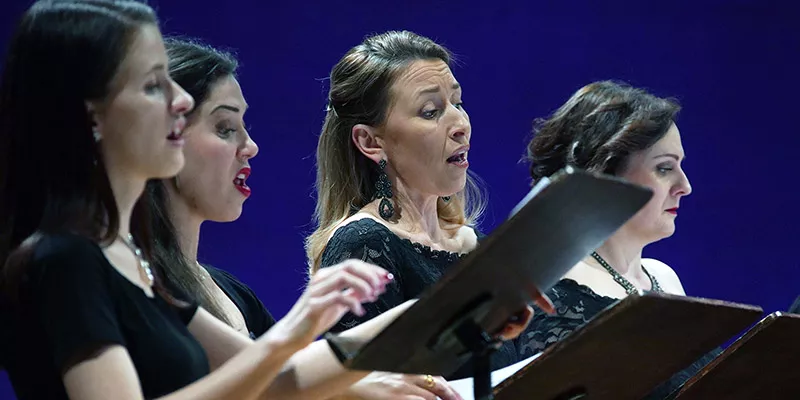

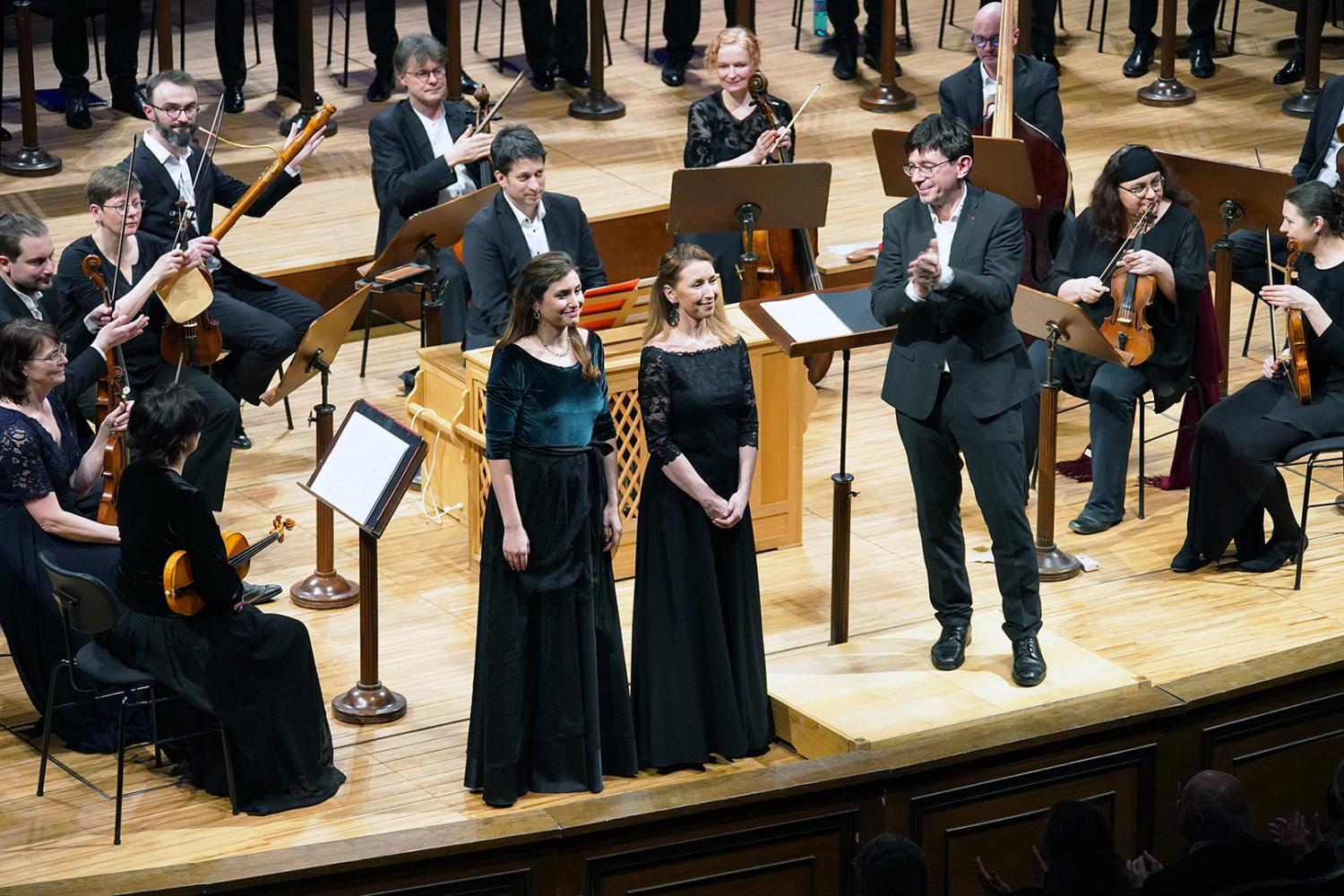


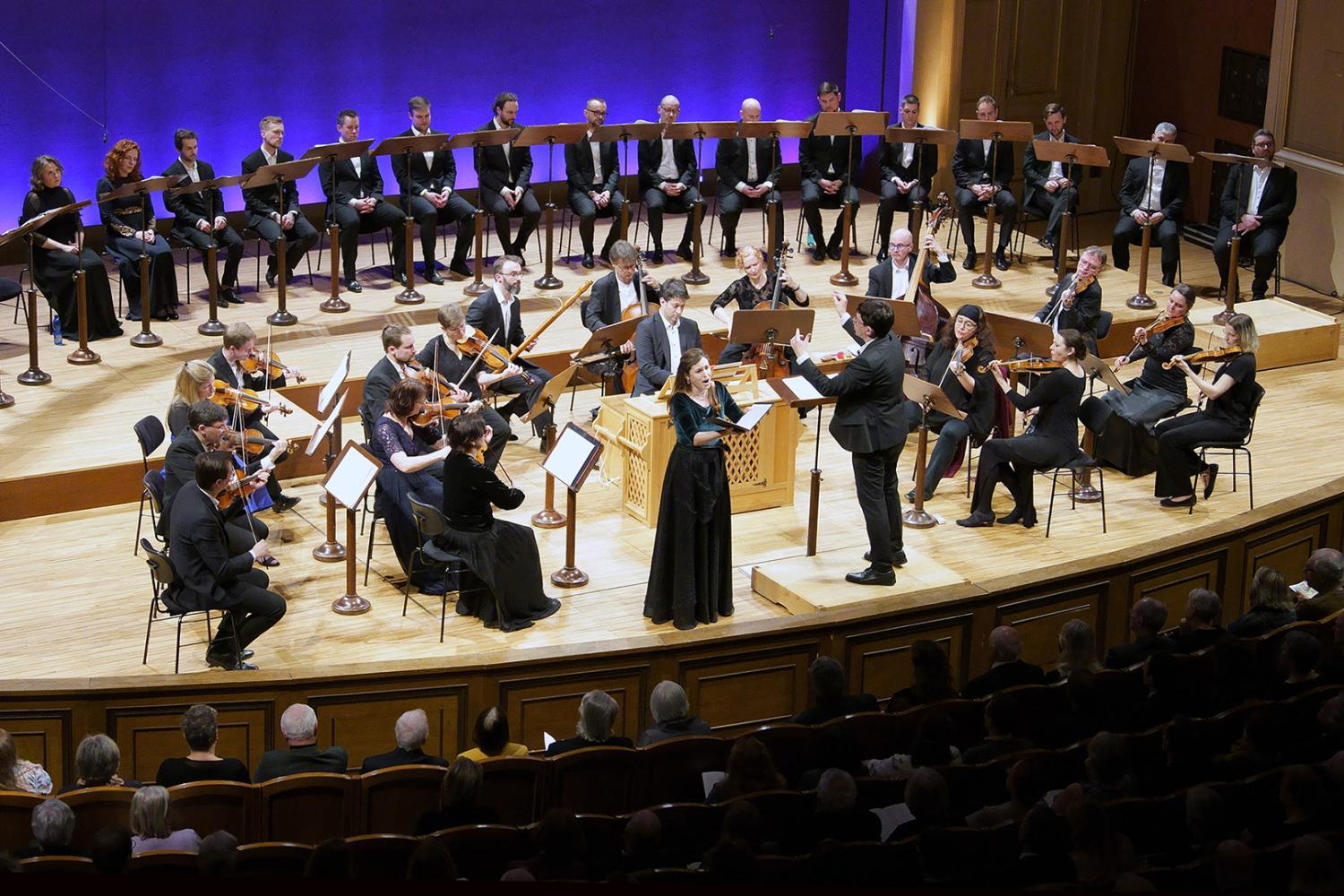

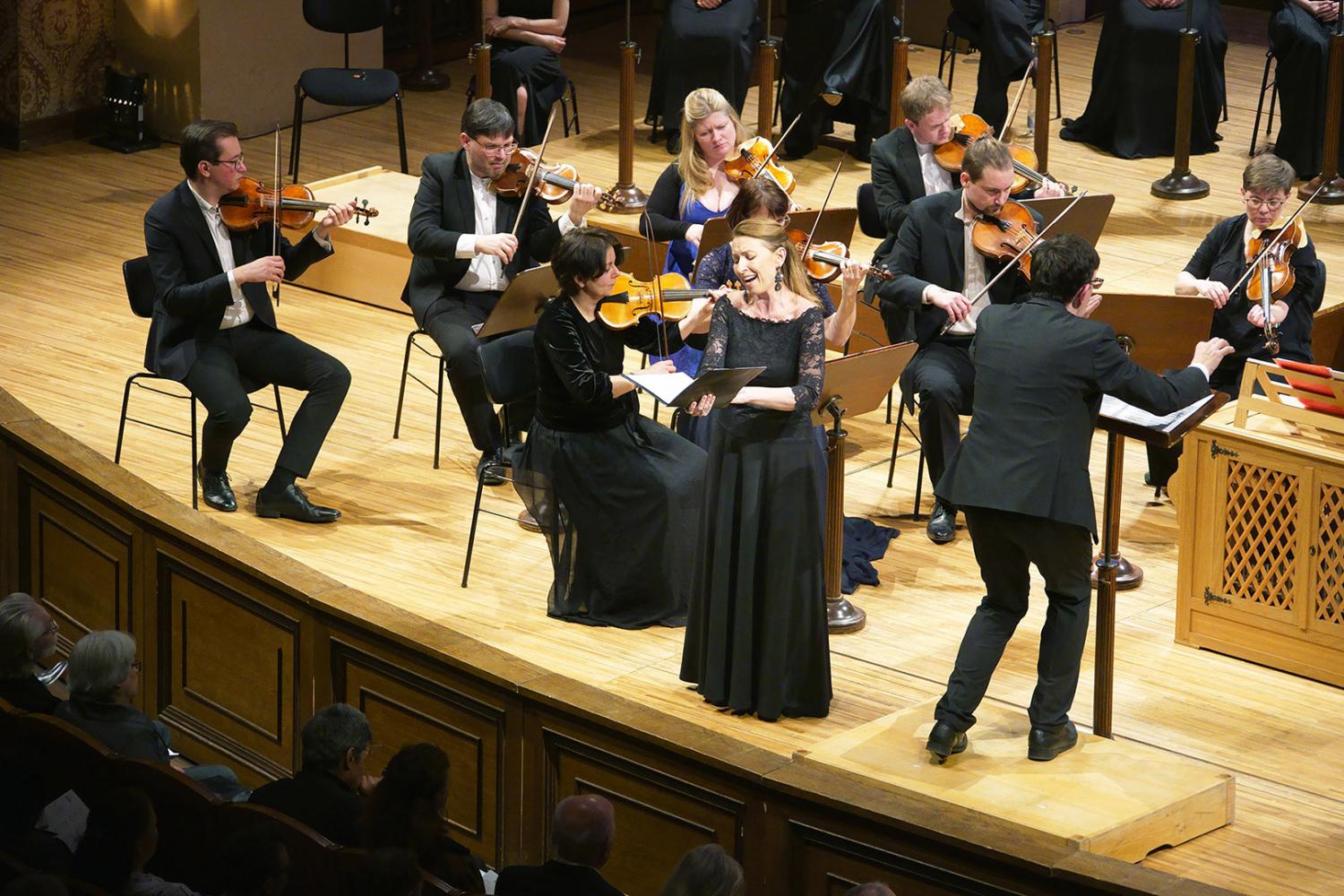
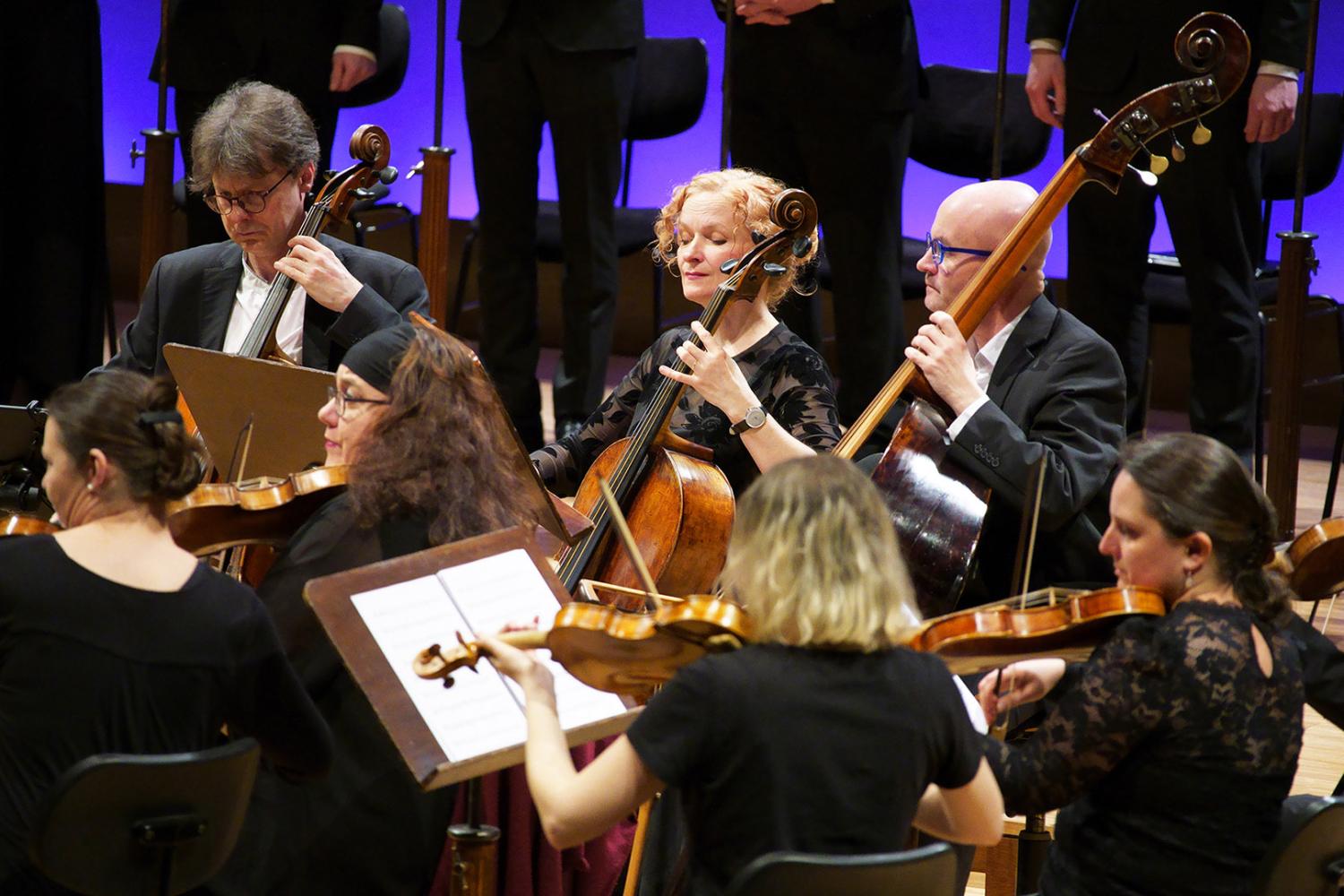
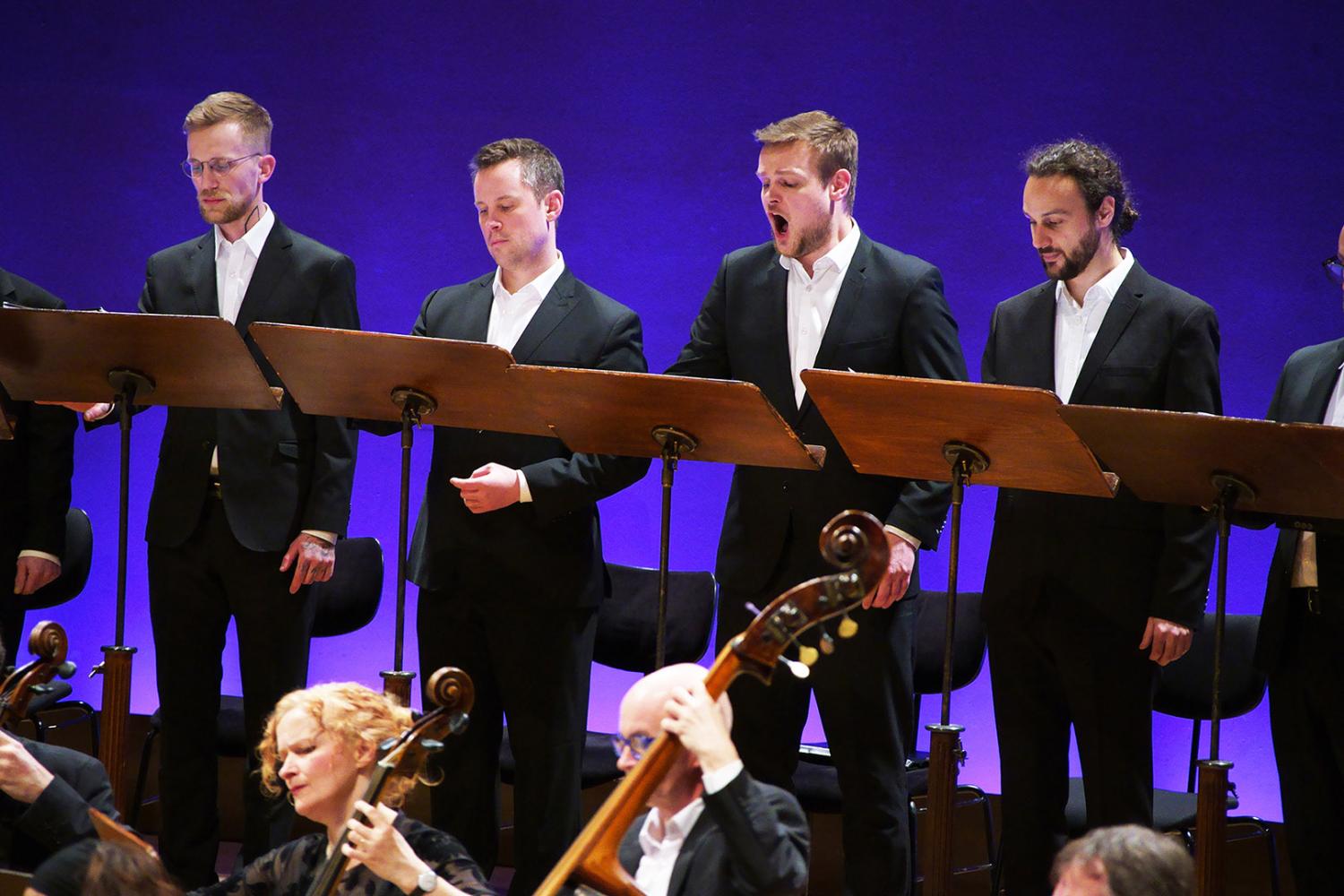


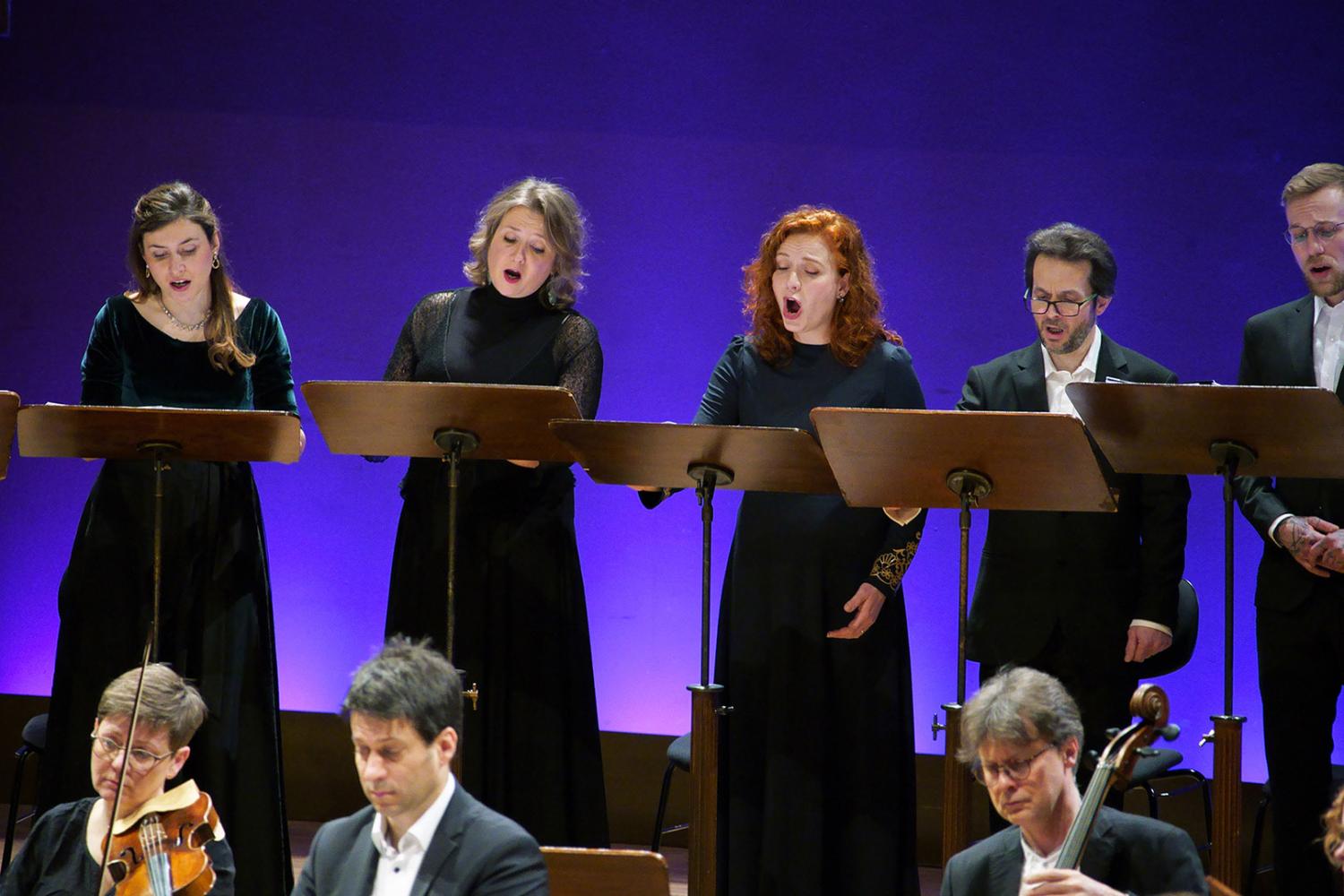
One of the most famous and influential sacred musical works of Neapolitan origin is Giovanni Battista Pergolesi’s Stabat Mater. Tommaso Traetta (1727–1779), too, uses a solo soprano and alto in his later musicalization of the same text. However, he adds to them a four-voice choir, to which he entrusts important parts of the entire composition. The composer divides the extensive text of the famous mediaeval poem into independently rendered enclosed pieces. His mastery resides in the richness with which he internally differentiates the individual parts. From his Neapolitan teachers Nicola Porpora and Francesco Durante, Traetta acquired a sense of natural conception of vocal parts. These always retain their desired cantability, even during challenging coloratura lines.
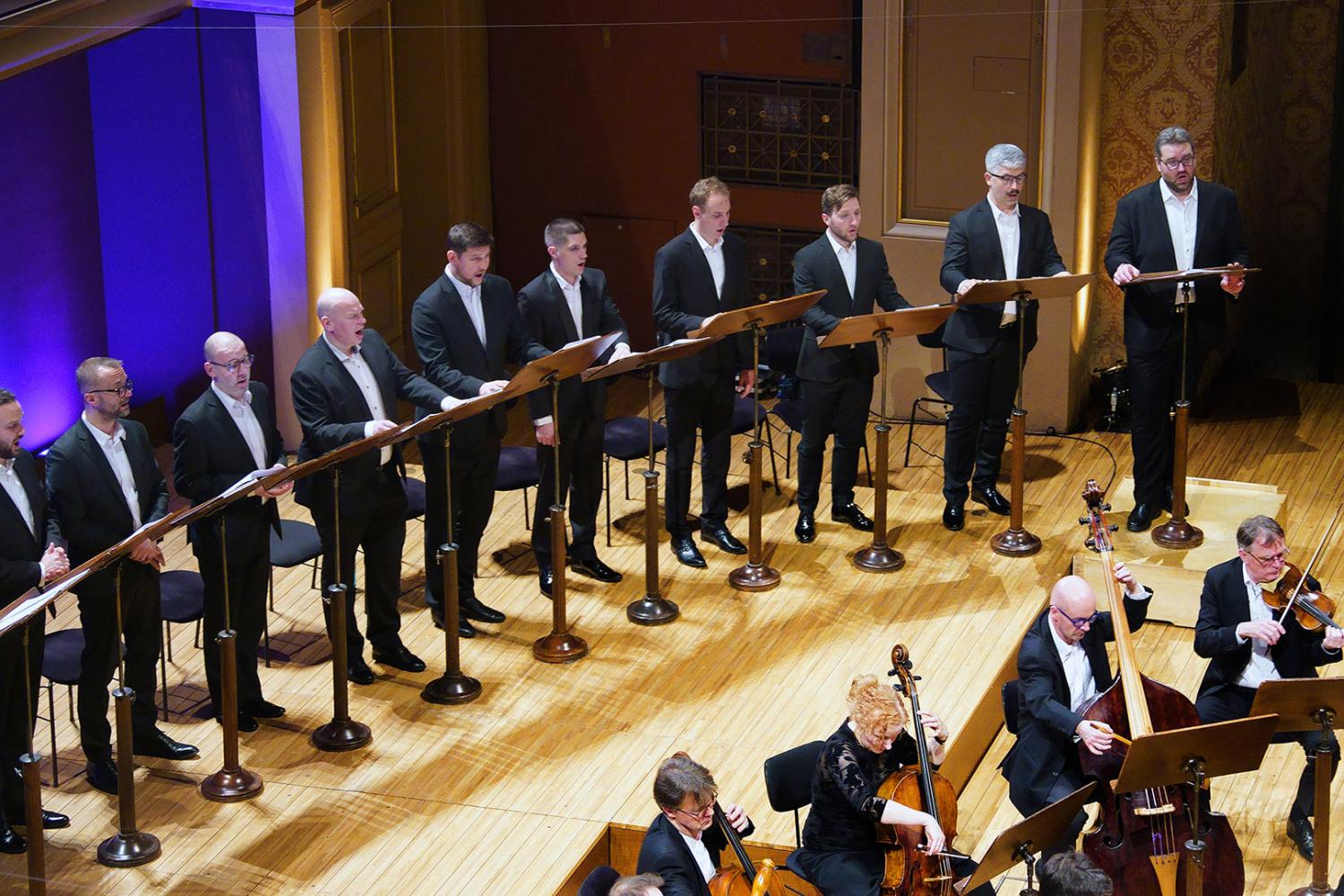
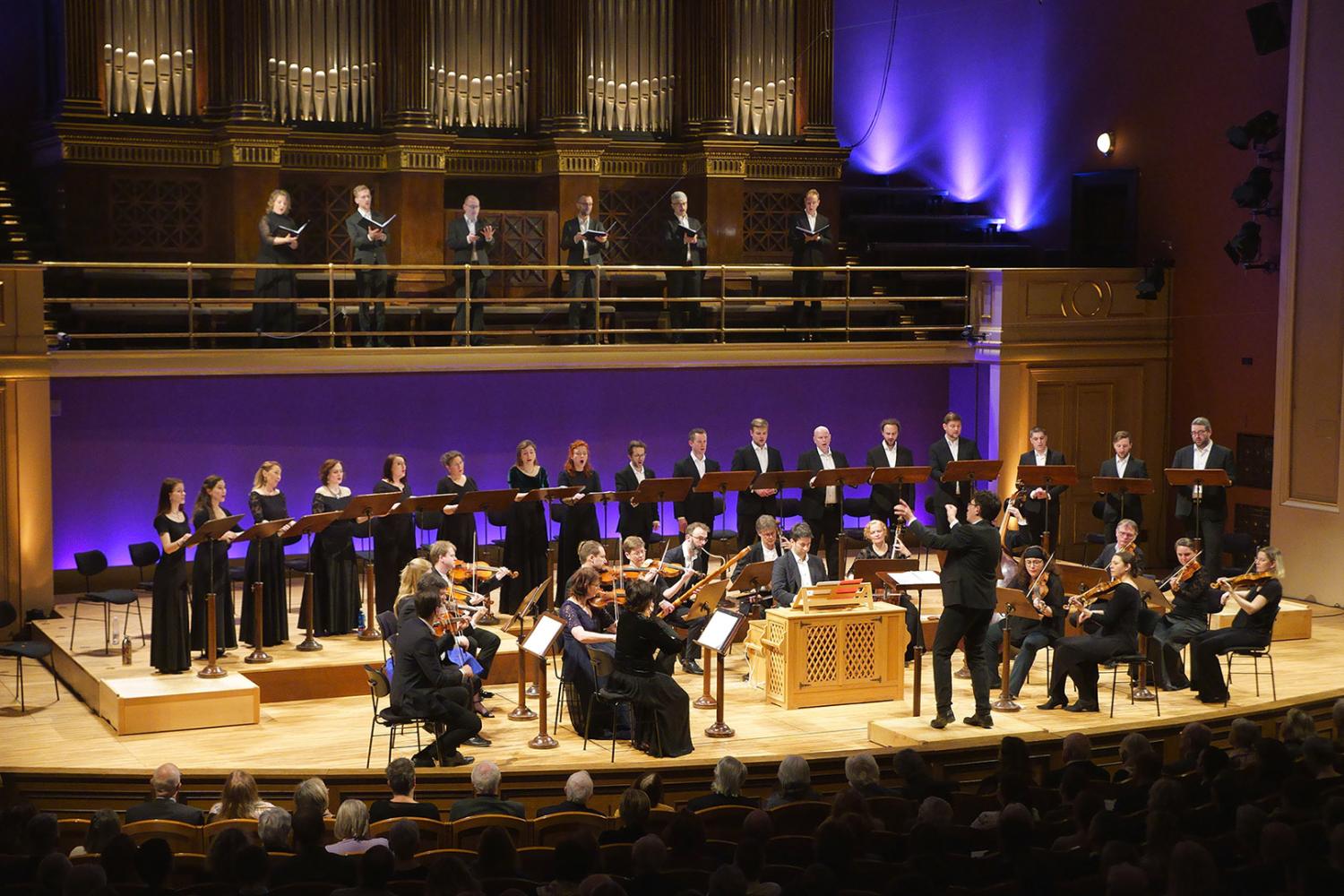
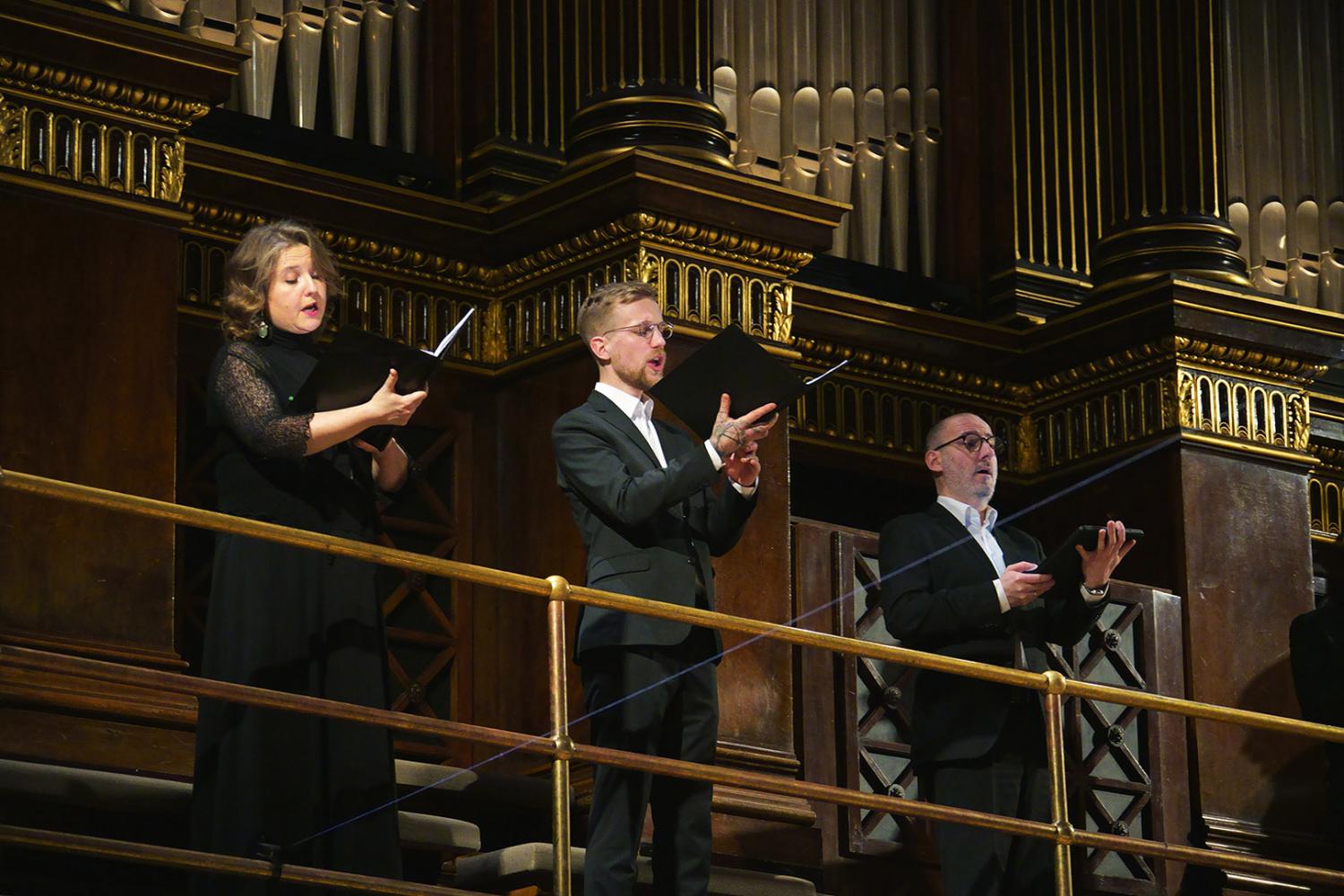
The second half of the evening entitled ‘Pianto napoletano’ gave way to another kind of expressive mourning music: a mass for the dead. Among the countless authors that contributed to this genre over the 18th century, Francesco Durante occupies an important place. The audience at the Dvořák Hall of the Rudolfinum had the pleasure to hear the Requiem a due cori – the most sweeping. It is the most extensive not only in its length, but also because of the performing apparatus required for its performance. This, in addition to strings and horns, includes eight singing voices grouped into two choirs. The great popularity of Durante’s requiem is evidenced by the existence of over forty surviving copies of the composition, which at the time were not printed, but reproduced by hand.
foto: Zdeňka Hanáková