
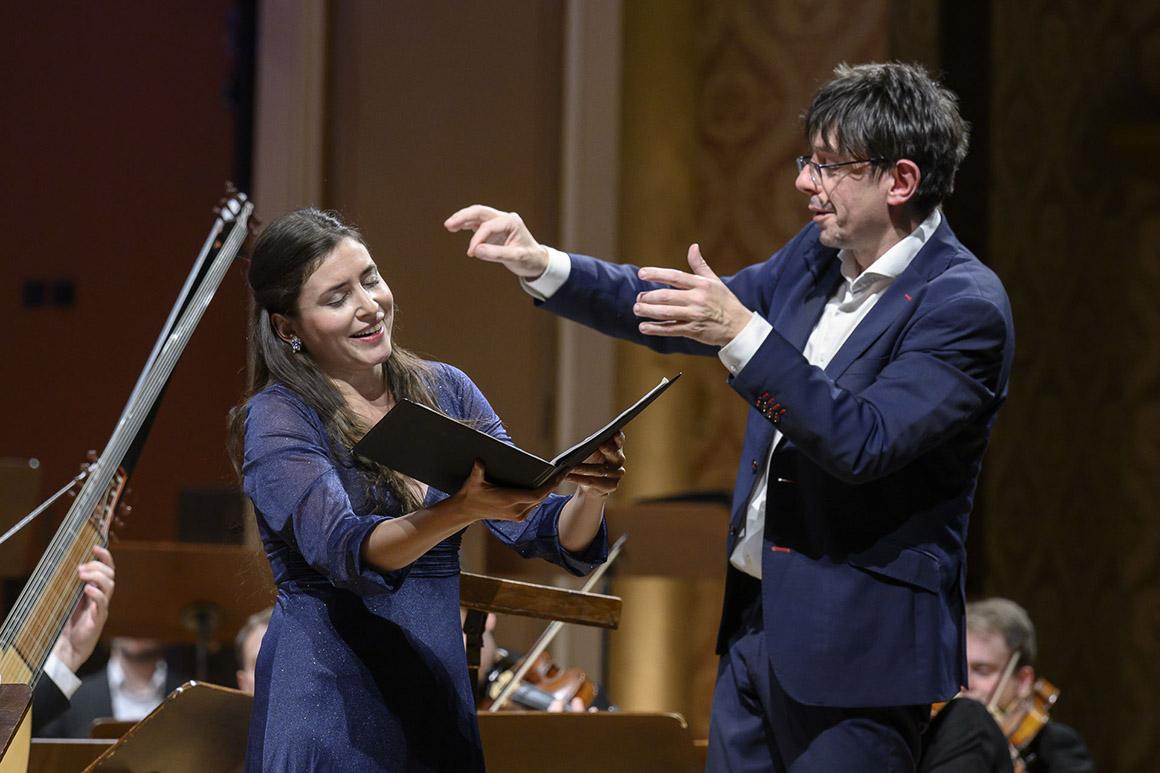
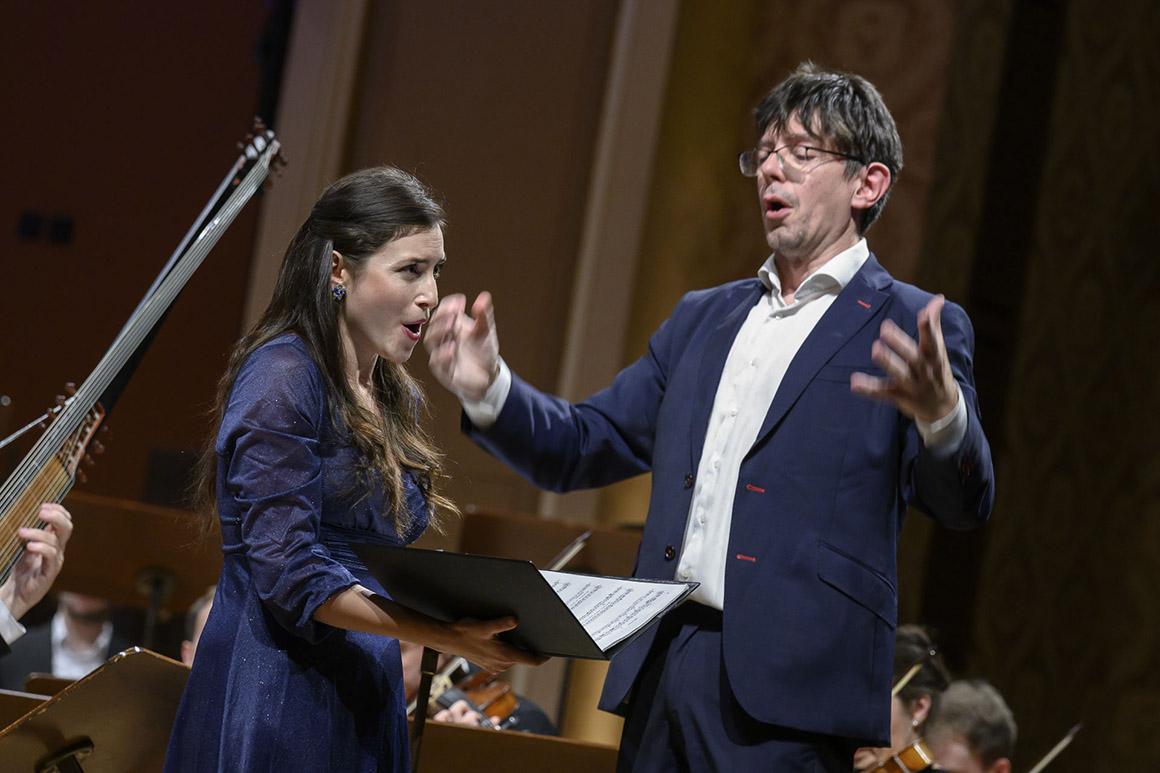
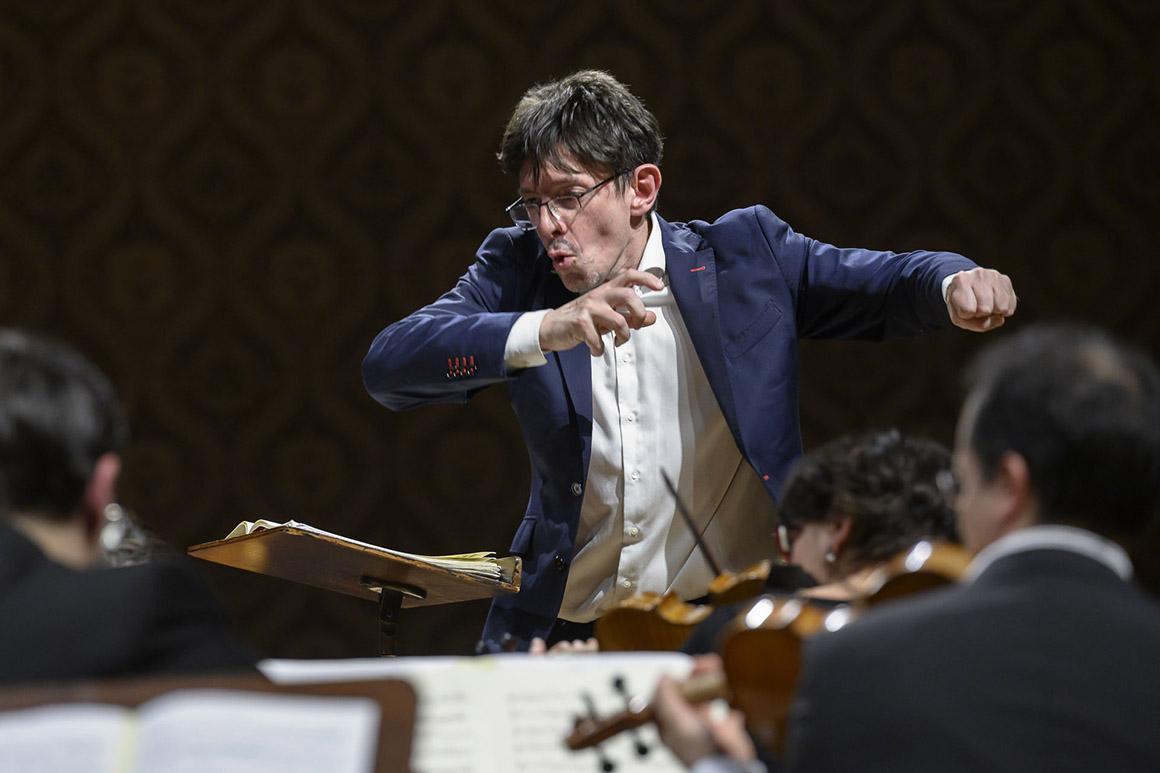
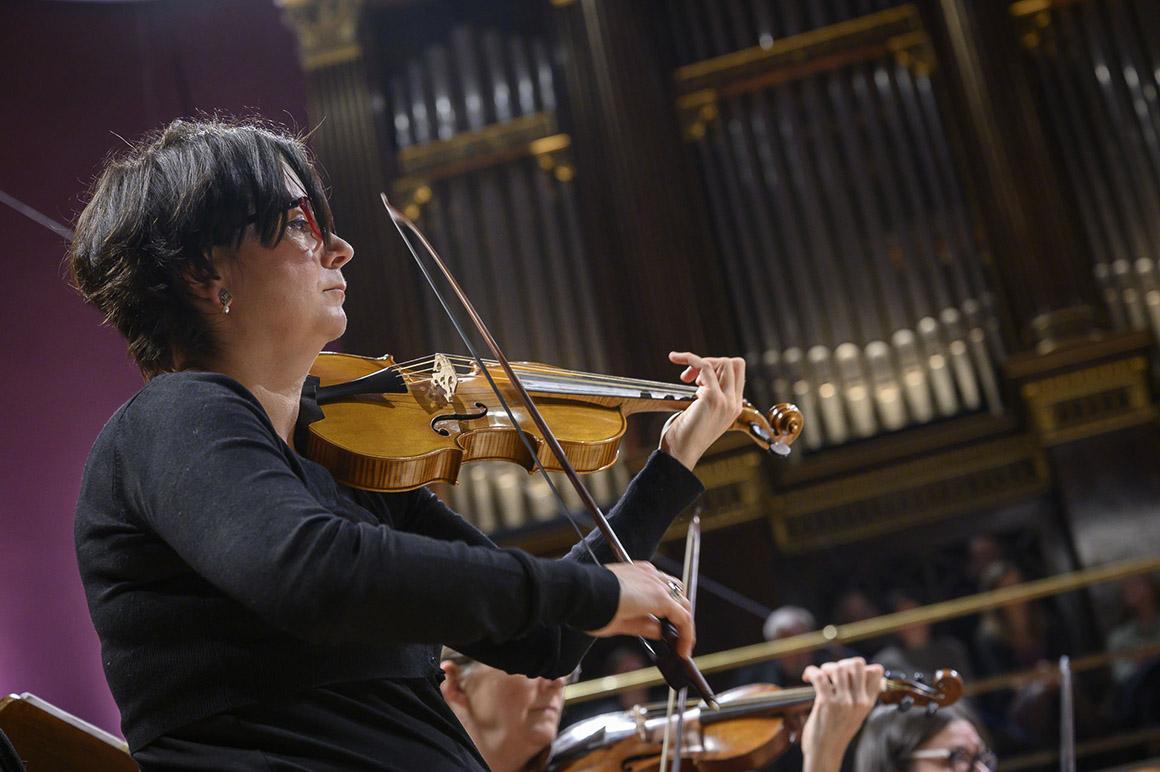
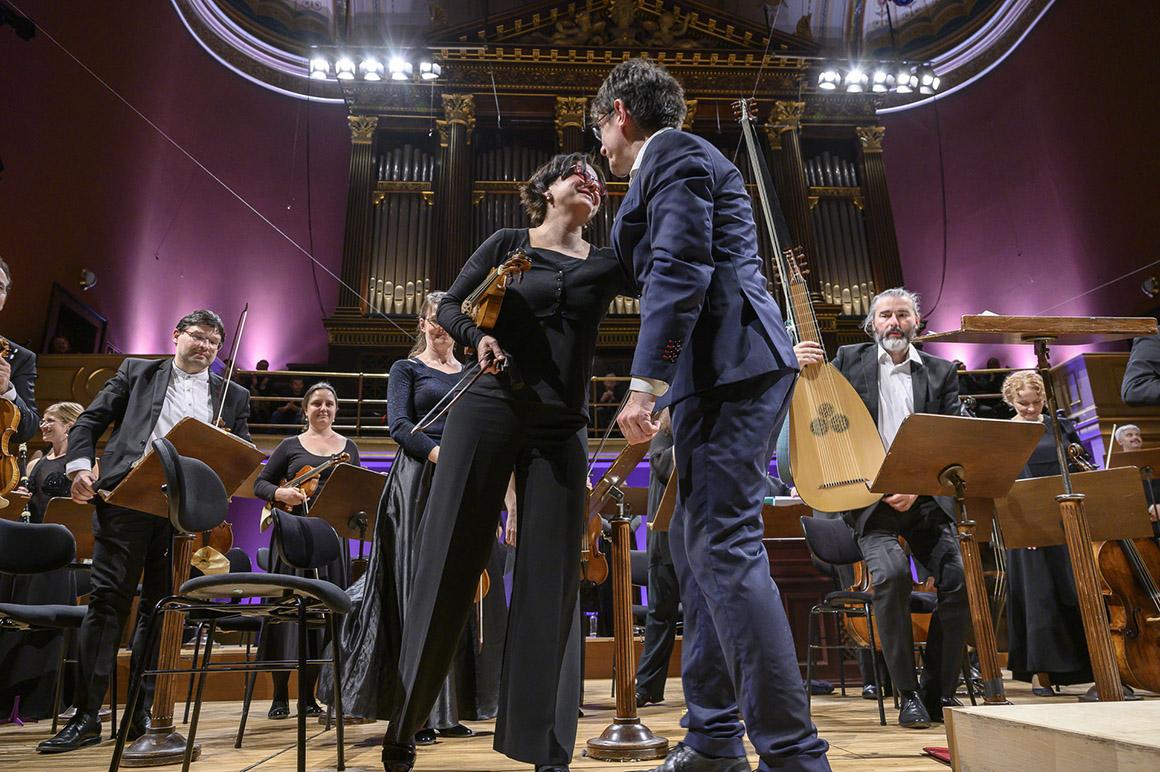
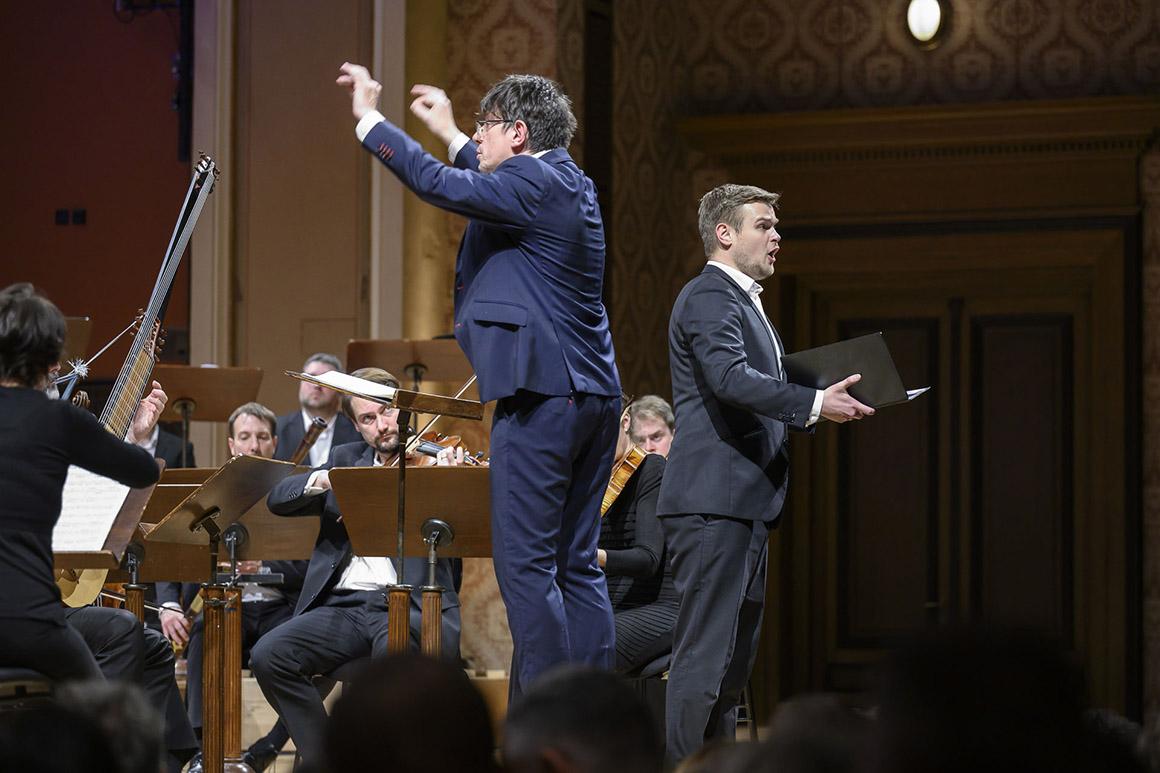
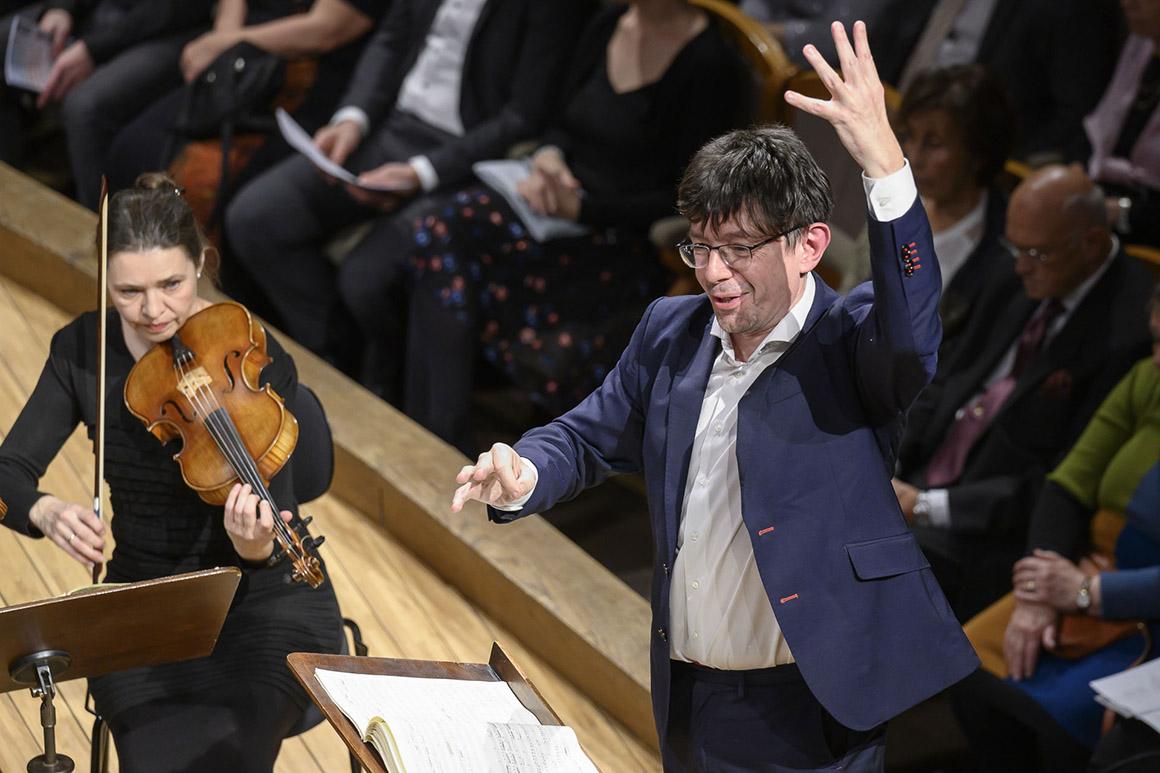
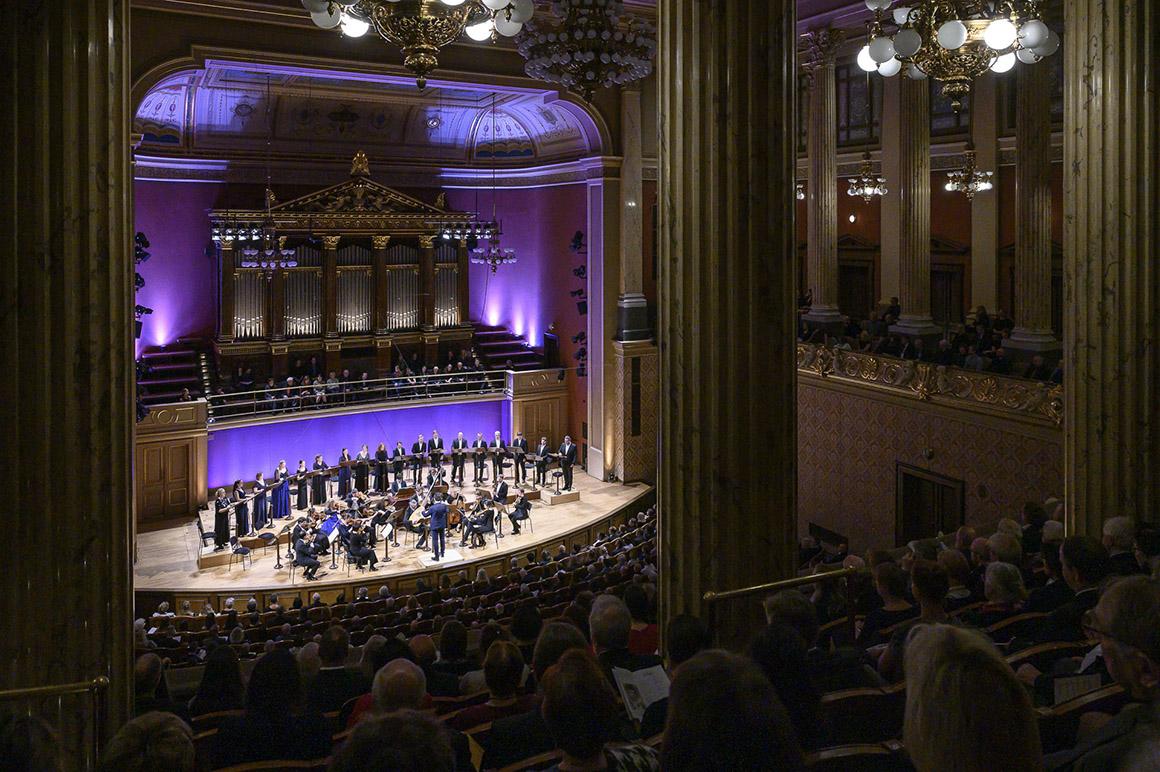
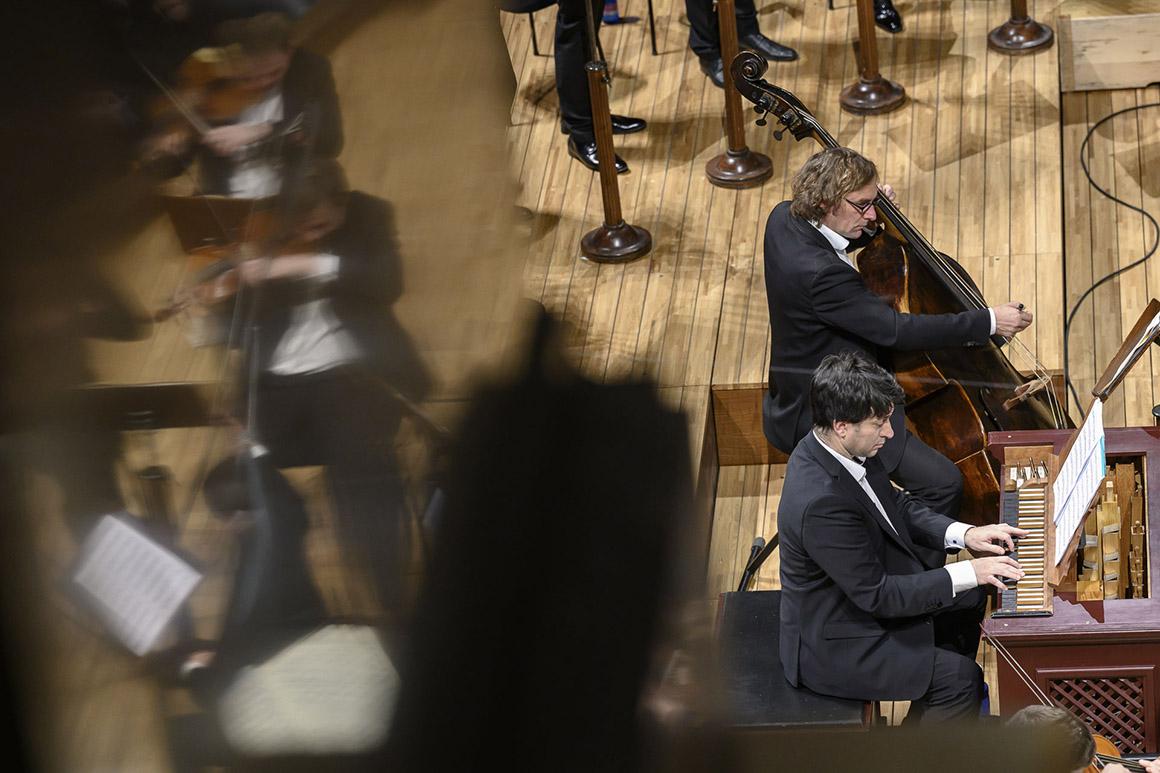
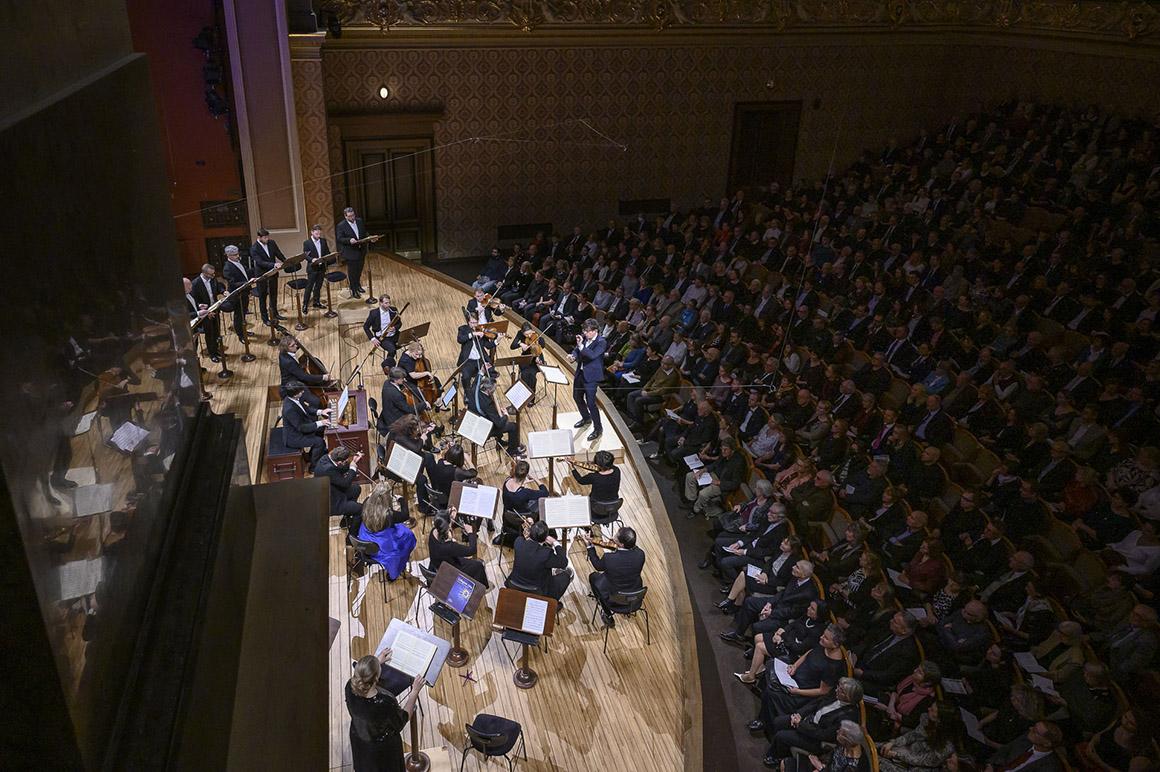
“Handel seems to have inserted his awe of Roman Baroque architecture into the musical psalm Dixit Dominus. Flamboyant architectural arches, the ecstatic prance of gigantic figures, the masses of waters bursting in cascades of artificial waterfalls and fountains of Roman squares, but also places imbued with the mystery of the eternal city’s ancient history. All of this was encountered by young Handel in Rome and Dixit Dominus represents a kind of musical transformation of the architecture of Baroque Rome,” says Václav Luks, the artistic director and conductor of Collegium 1704.
At the end of his life, in 1740, Jan Dismas Zelenka began to work on his last extensive project, which he however never completed. The composition Missa Dei Patris in C Major was to be the first of the six of what he called the Last Masses (Missae ultimae). When Zelenka died on the night of 22 December 1745, he left only a torso of this planned mass cycle – a total of three parts, including the final, sixth part named Missa Omnium Sanctorum, completed in 1741.
“Missa Omnium Sanctorum lacks the previously typical large orchestral cast with trumpets, French horns and timpani. However, it is a work filled with a deep feeling for the text that was put to the music, and it is part of the most remarkable project of the composer’s last years,” adds Václav Luks.
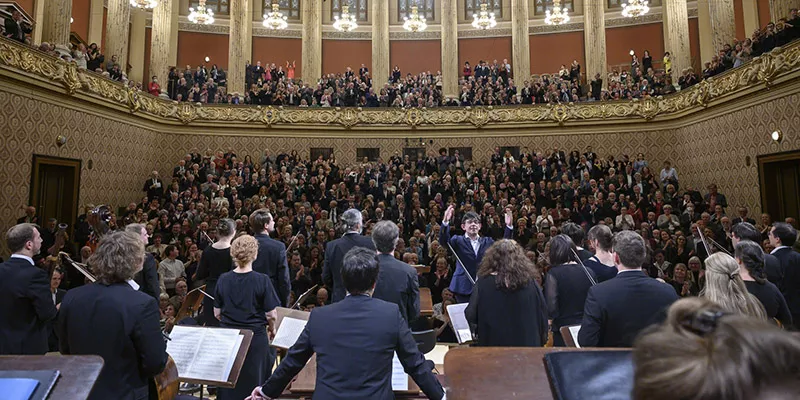
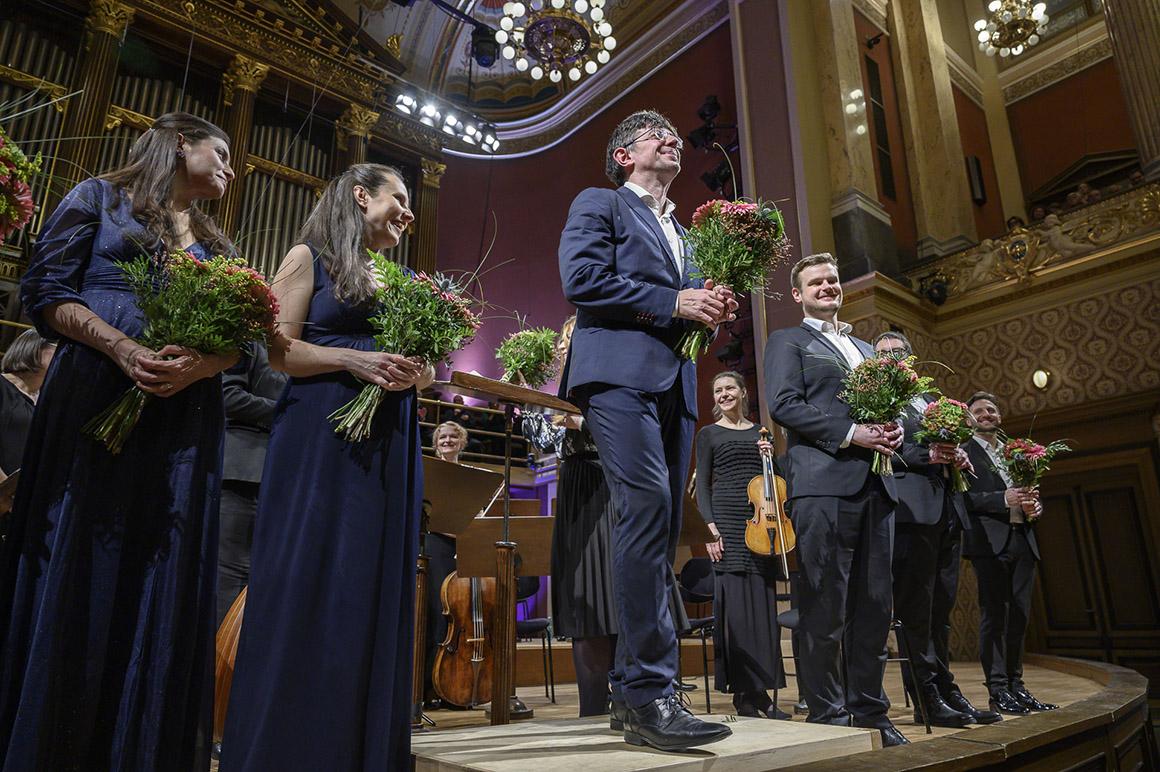
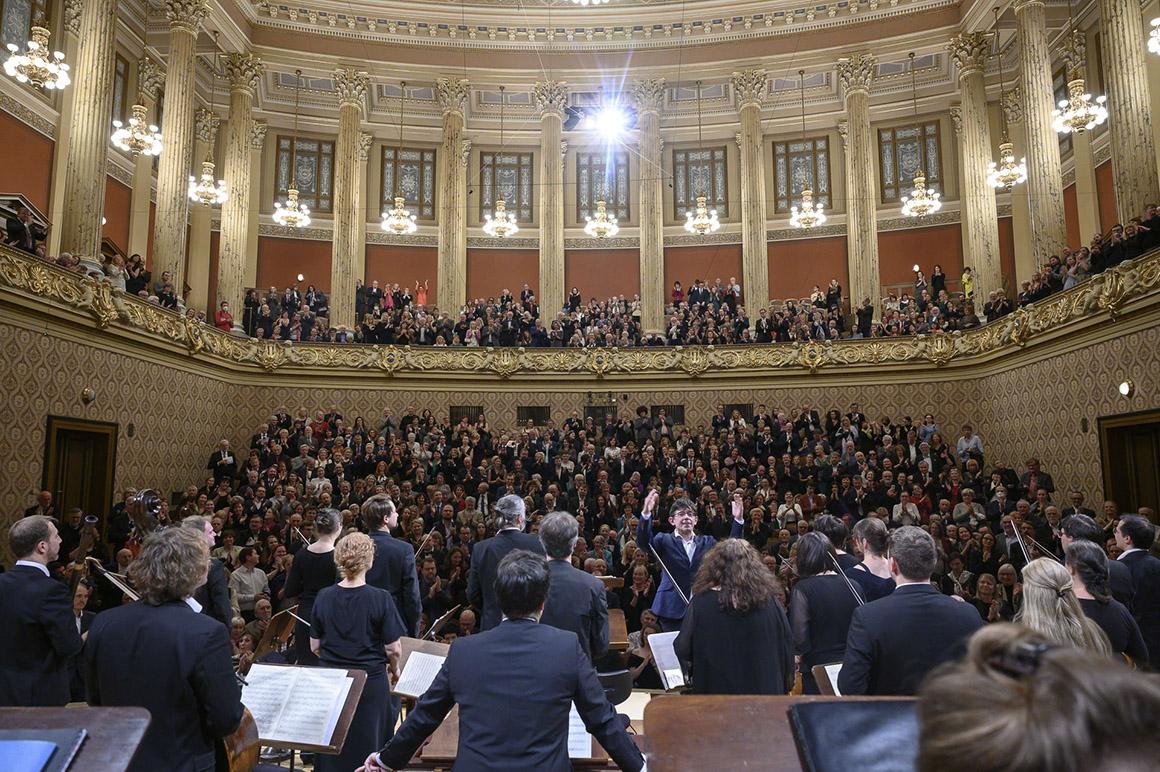
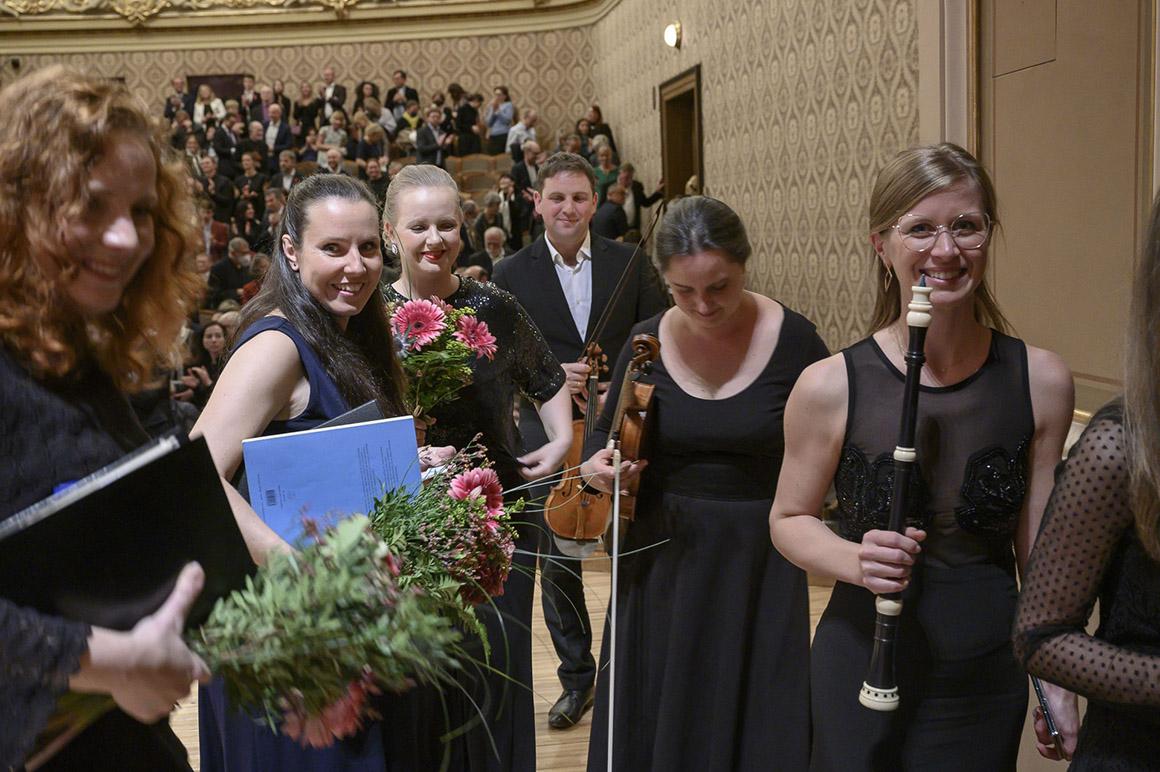
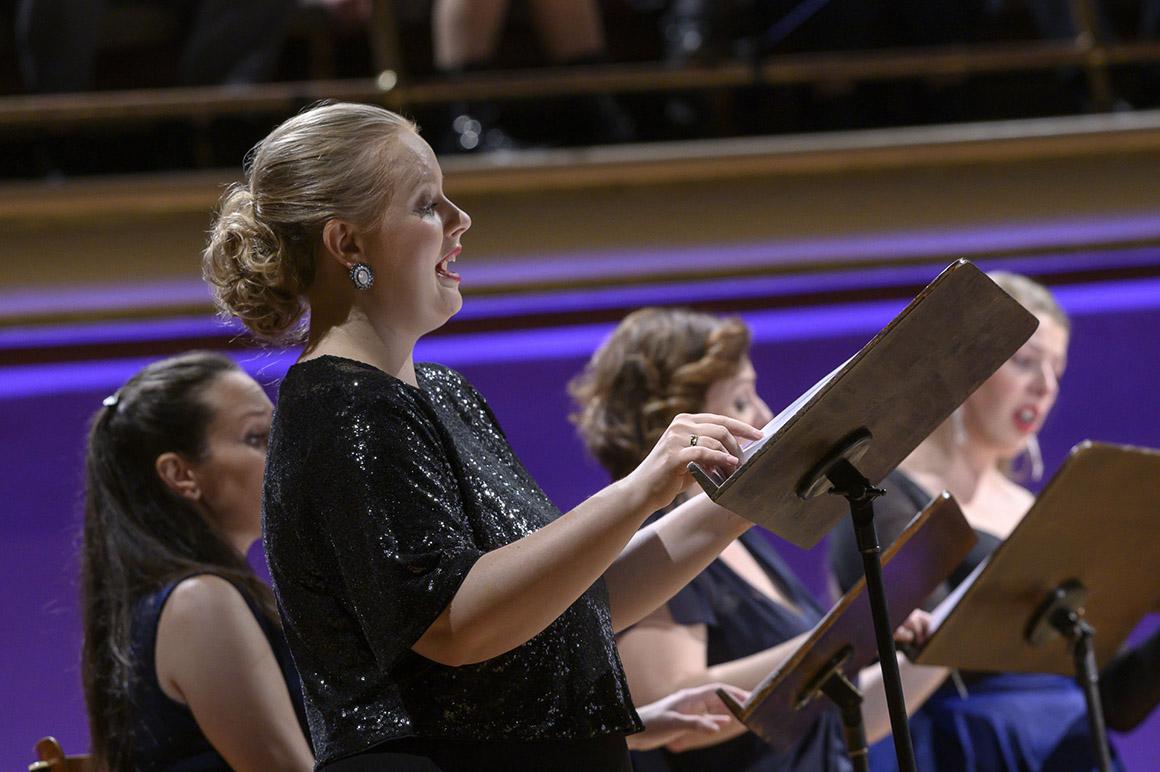
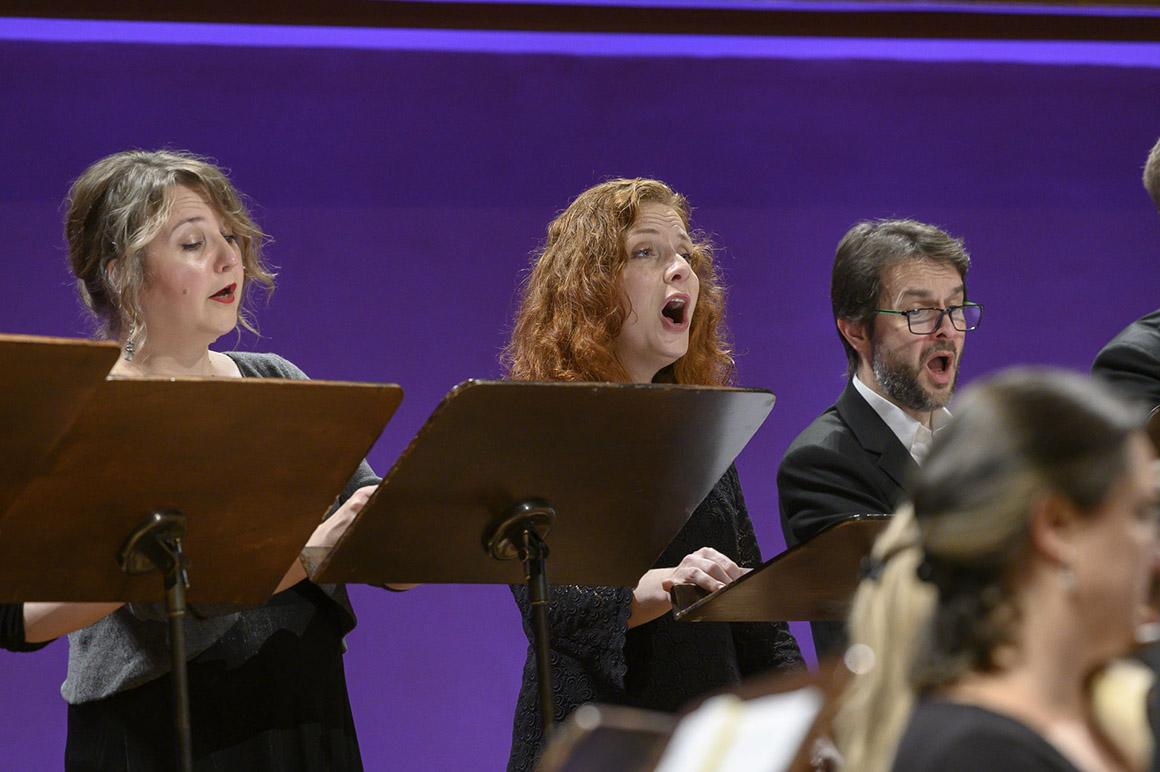
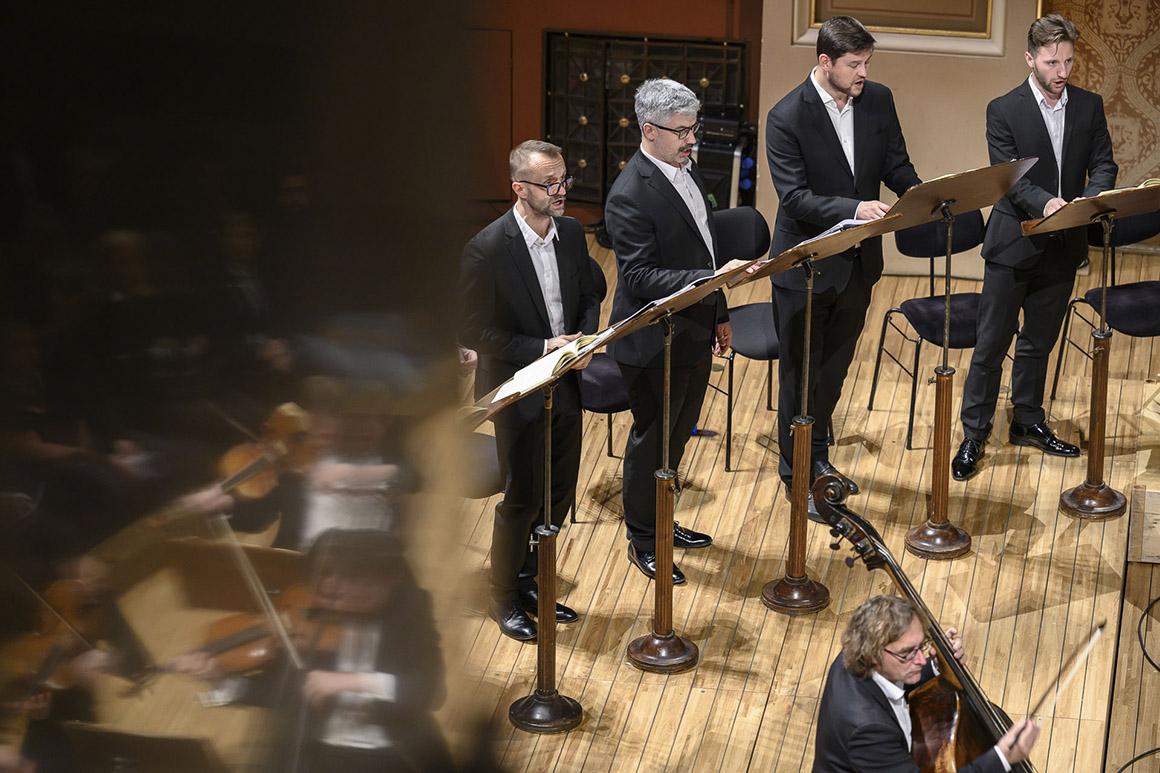
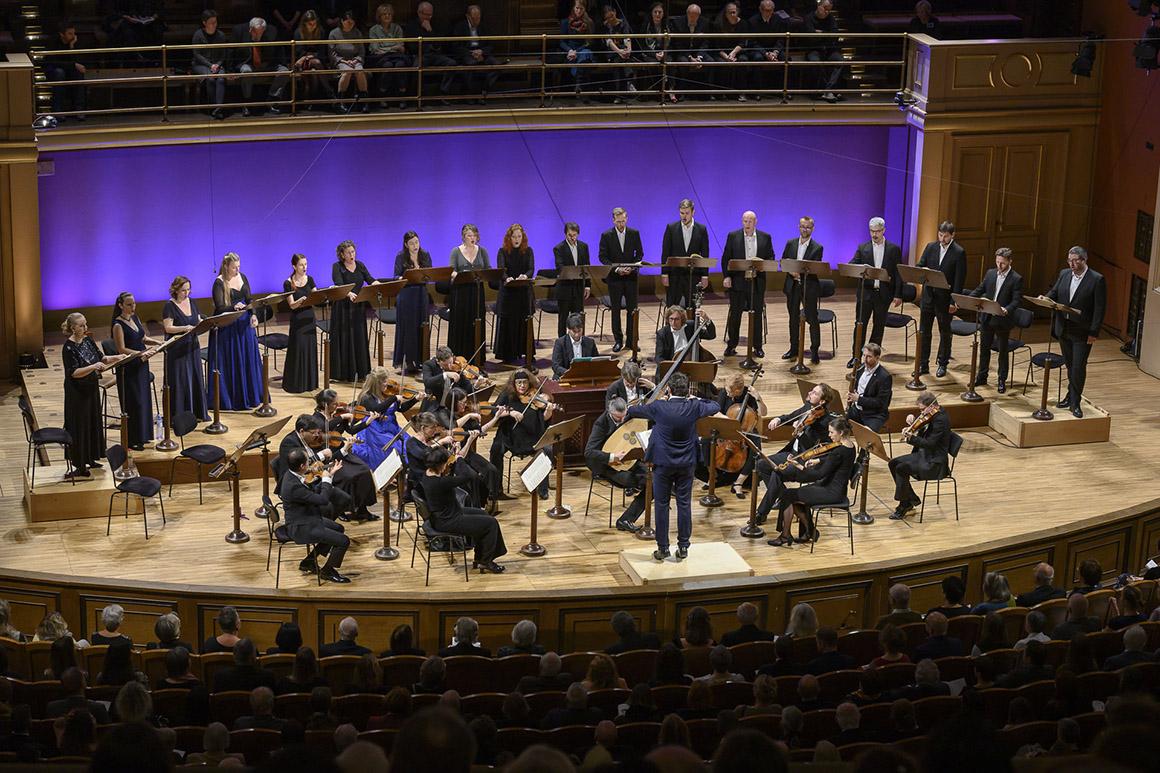
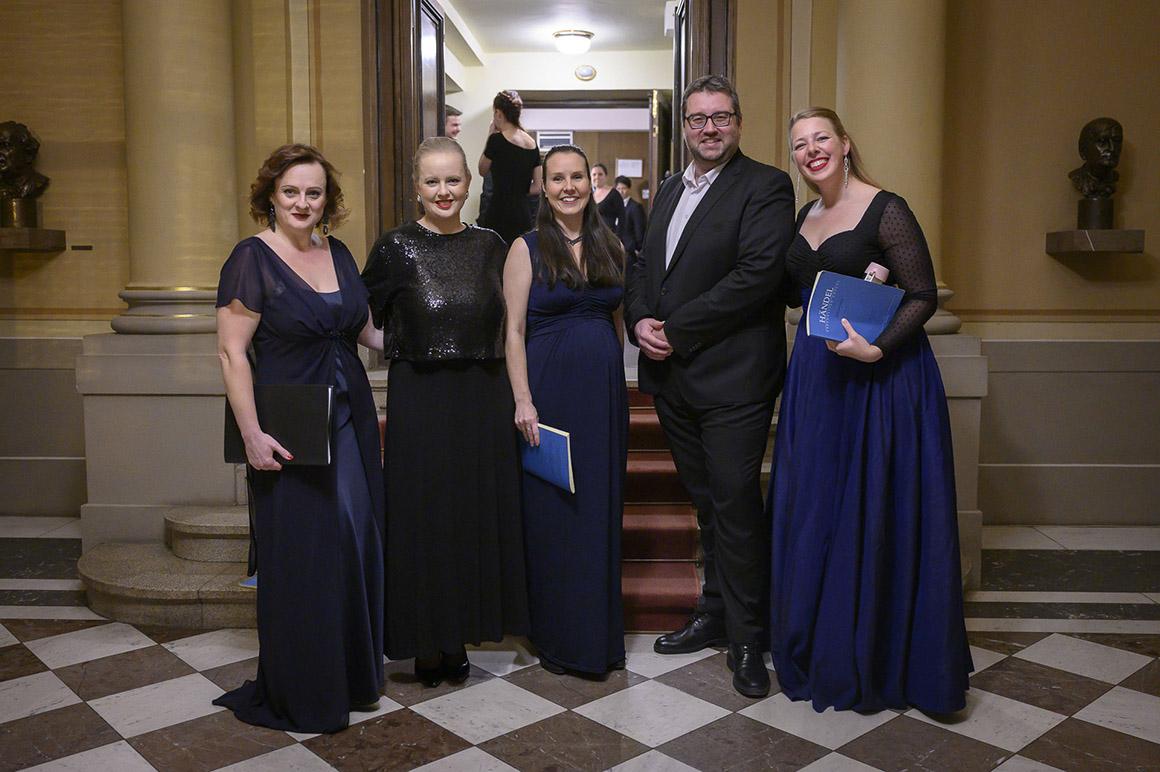
This St Martin’s Day concert at the Rudolfinum gave the floor exclusively to soloists from the vocal ensemble Collegium Vocale 1704, namely to the sopranos Tereza Zimková, Pavla Radostová and Helena Hozová, the altos Kamila Mazalová and Aneta Petrasová, the tenor Ondřej Holub, and the basses Tomáš Šelc and Tadeáš Hoza.
foto: Petra Hajská